
Anker SOLIX C300
A practical portable power station with 288Wh capacity and long-life LiFePO4 cells, best matched to the device wattages and runtime you actually need.
A portable power station is a big rechargeable battery with built-in mains sockets, USB ports and a 12V output. It runs your gear silently and fume-free, indoors or off-grid, and recharges from the mains, a car or solar panels. This guide explains how to choose the right size for the UK and which models we rate now.
For most UK buyers the right choice is sized to what you actually want to run, not the biggest headline number. The two figures that matter are capacity in watt-hours (Wh), which is how much energy the battery holds, and output in watts (W), which is the most power it can deliver at once. A unit around 500-1000Wh with a 600-1200W output suits camping, caravans and keeping essentials going in a power cut. Favour LiFePO4 cells and a pure sine wave inverter, and add a solar panel only if you genuinely need to recharge off-grid.
These two specs are easy to mix up but mean very different things.
So you need enough watts to switch a device on, and enough watt-hours to keep it running for as long as you need. Check both against your kit before you buy. For the full maths, see our [what a power station will run guide](/what-will-a-power-station-run-uk/).
Runtime is approximate, but a simple rule gets you close enough to choose a size. Runtime in hours is roughly the usable watt-hours divided by the device's wattage. Inverters are not perfectly efficient, so knock off around 10-15% for conversion losses (more for very small loads). For example, a 1000Wh station running a 100W device gives roughly 1000 divided by 100, which is about 10 hours, then minus losses leaves around 8-9 hours in practice. The same station running a 500W appliance lasts only an hour or two. Treat every runtime figure, including the manufacturer's, as a best-case estimate that real conditions will reduce.
As a rough guide, a 1000Wh / 1000W class station will comfortably run phones, tablets, laptops, LED lights, a router, a TV, a CPAP machine and a small fridge for a useful stretch, and it can briefly power higher-draw items. What it cannot do is run high-wattage heating appliances for long - electric kettles, fan heaters, toasters, hair dryers, electric ovens and hobs all draw 1500-3000W and will either exceed the output limit or flatten the battery in minutes. Portable power stations are for electronics and essentials, not whole-home heating or cooking.
Most stations use one of two lithium chemistries.
For a unit you will charge often, LiFePO4 is generally worth the extra weight.
A practical portable power station with 288Wh capacity and long-life LiFePO4 cells, best matched to the device wattages and runtime you actually need.

A practical portable power station with 1024Wh capacity and long-life LiFePO4 cells, best matched to the device wattages and runtime you actually need.
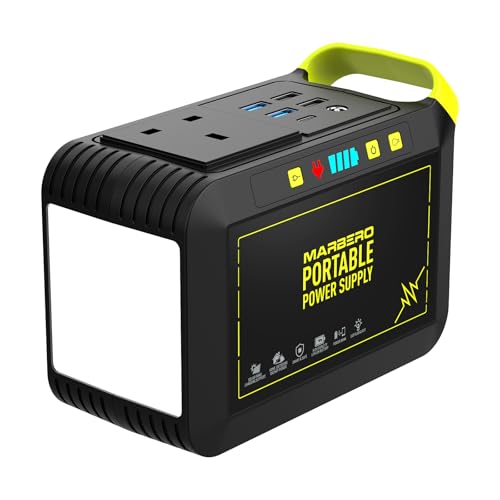
A practical portable power station with 88Wh capacity, best matched to the device wattages and runtime you actually need.
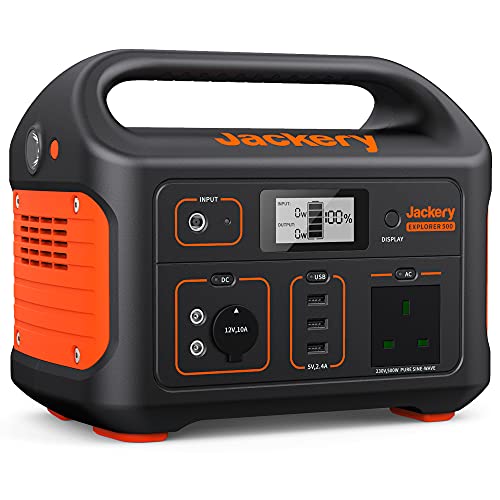
A practical portable power station with 518Wh capacity and solar charging, best matched to the device wattages and runtime you actually need.

A practical portable power station with 1070Wh capacity and long-life LiFePO4 cells, best matched to the device wattages and runtime you actually need.

A practical portable power station with 256Wh capacity and long-life LiFePO4 cells, best matched to the device wattages and runtime you actually need.

A practical portable power station with 299Wh capacity and long-life LiFePO4 cells, best matched to the device wattages and runtime you actually need.
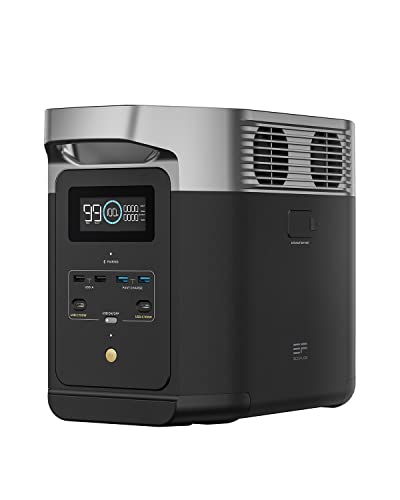
A practical portable power station with long-life LiFePO4 cells, best matched to the device wattages and runtime you actually need.

A practical portable power station with 512Wh capacity and long-life LiFePO4 cells, best matched to the device wattages and runtime you actually need.

A practical portable power station with 2048Wh capacity and long-life LiFePO4 cells, best matched to the device wattages and runtime you actually need.
Match capacity (Wh) and output (W) to your kit. For phones, laptops and camping, a few hundred watt-hours is plenty. For keeping a fridge, router and lights going in a power cut, look at 500-1000Wh or more, and check the output watts are high enough to start your appliances.
Watt-hours (Wh) measure how much total energy the battery holds, like the size of a fuel tank. Watts (W) measure how much power it can deliver at once, like engine power. You need enough watts to run a device and enough watt-hours to keep it running.
For most buyers, yes. LiFePO4 lasts far more charge cycles and is more thermally stable and safer, though it is usually heavier than NMC lithium-ion. If you will charge the unit often, LiFePO4 is generally the better long-term choice.
A mid-size station around 500-1000Wh can run a small fridge for several hours, as fridges cycle on and off rather than drawing power constantly. Check the fridge's running and start-up wattage against the station's rated and surge output before relying on it.
Our top pick is the Anker SOLIX C300 (our score 9.6/10) - A practical portable power station with 288Wh capacity and long-life LiFePO4 cells, best matched to the device wattages and runtime you actually need..