
Anker SOLIX C300
A practical portable power station with 288Wh capacity and long-life LiFePO4 cells, best matched to the device wattages and runtime you actually need.
When the power goes out, a portable power station keeps the essentials running silently and safely indoors: the fridge, the router, lights, phones and medical devices like a CPAP machine. This guide explains how to choose one for backup at home and which units we rate.
For power-cut backup, size the station to your essential loads and how long outages typically last. A unit around 1000Wh or more with a 1000W+ output can keep a fridge, router, lights and phones going for several hours to a day. Prioritise LiFePO4 cells for long standby life, a pure sine wave inverter for sensitive electronics, and a fast UPS-style switchover if you need to protect equipment that cannot lose power. A portable unit covers essentials, not whole-home power.
Backup is about essentials, not everything. List the things you genuinely need during an outage - typically the fridge or freezer, broadband router, a few lights, phone charging, and any medical equipment - and add up their wattages and likely run hours. That total, in watt-hours, sets the battery size you need. Heating and cooking appliances are deliberately left off this list because they draw far too much power for a portable unit to sustain.
A 1000Wh-class station handles the essentials well. A fridge cycles on and off, so its daily energy use is modest; a router, LED lights and phone charging draw very little. Together these can run for many hours, often through a typical UK outage. What you should not expect is to run an electric heater, kettle, oven or hob - these draw 1500-3000W and would exceed the output or flatten the battery in minutes. For warmth and hot food during a cut, plan for non-electric alternatives.
Some stations offer a UPS or EPS mode that switches to battery almost instantly when the mains drops, so equipment like a desktop PC, router or medical device does not lose power. Switchover speed varies, so if you need true uninterrupted power for sensitive gear, check the unit is designed for it. A pure sine wave inverter is important here too, as it delivers clean mains-quality power that sensitive electronics and motors need.
Backup power only helps if it is charged when you need it. LiFePO4 cells hold charge well and tolerate sitting on standby better than older chemistries, but it is still worth topping the unit up periodically and before stormy spells. You can recharge from the mains normally, and add solar if you want resilience during longer or repeated outages. Keep the station somewhere accessible and dry so it is ready to grab the moment the lights go out.
A practical portable power station with 288Wh capacity and long-life LiFePO4 cells, best matched to the device wattages and runtime you actually need.

A practical portable power station with 1024Wh capacity and long-life LiFePO4 cells, best matched to the device wattages and runtime you actually need.
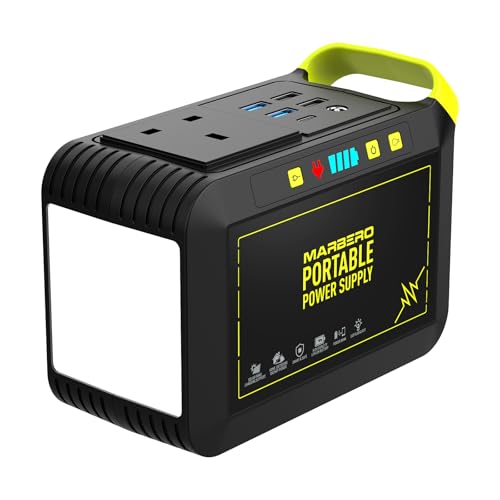
A practical portable power station with 88Wh capacity, best matched to the device wattages and runtime you actually need.

A practical portable power station with 1070Wh capacity and long-life LiFePO4 cells, best matched to the device wattages and runtime you actually need.

A practical portable power station with 256Wh capacity and long-life LiFePO4 cells, best matched to the device wattages and runtime you actually need.

A practical portable power station with 299Wh capacity and long-life LiFePO4 cells, best matched to the device wattages and runtime you actually need.
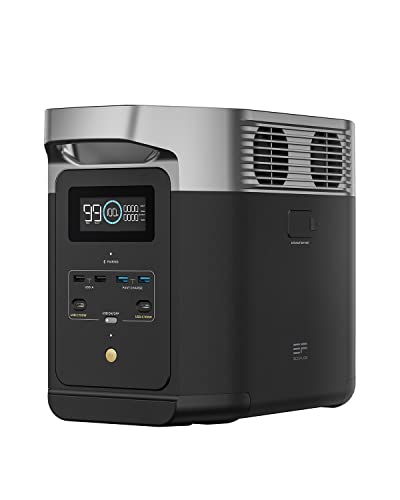
A practical portable power station with long-life LiFePO4 cells, best matched to the device wattages and runtime you actually need.

A practical portable power station with 512Wh capacity and long-life LiFePO4 cells, best matched to the device wattages and runtime you actually need.

A practical portable power station with 2048Wh capacity and long-life LiFePO4 cells, best matched to the device wattages and runtime you actually need.

A practical portable power station with 2048Wh capacity and long-life LiFePO4 cells, best matched to the device wattages and runtime you actually need.
Not the whole house. A portable unit is sized for essentials - fridge, router, lights, phones and medical devices - rather than heating, cooking or whole-home power. For those you would need a far larger system and proper switchover. Treat a portable station as essentials backup.
Add up the wattage and likely run hours of your essential devices to get a watt-hour total, then choose a battery comfortably above it. A 1000Wh or larger unit with a 1000W-plus output typically keeps a fridge, router and lights going for several hours to a day.
Yes, for several hours to a day on a mid-to-large unit, since fridges cycle on and off rather than running constantly. Check the fridge's running and start-up wattage against the station's rated and surge output, and keep the fridge door shut to conserve cold.
Most CPAP machines draw little power, so a mid-size station can usually run one overnight, especially with the humidifier off or low. Check your machine's wattage and run the runtime maths against the station's usable watt-hours to be sure it covers a full night.
Our top pick is the Anker SOLIX C300 (our score 9.6/10) - A practical portable power station with 288Wh capacity and long-life LiFePO4 cells, best matched to the device wattages and runtime you actually need..