
Anker SOLIX C300
A practical portable power station with 288Wh capacity and long-life LiFePO4 cells, best matched to the device wattages and runtime you actually need.
Choosing the right capacity is the key power station decision, and bigger is not always better. This guide explains how to match watt-hours to what you want to power and for how long.
Work out what you want to run and for how long, add up the watt-hours, and choose a station with headroom above that. As a rough guide: under 500Wh for charging devices and small essentials, 500-1000Wh for camping, CPAP and short outages, and 1000Wh and up (or expandable) for home backup and running a fridge for longer. Match capacity to your real use, not the biggest you can afford.
Estimate runtime by dividing the station's capacity (Wh) by your device's power draw (W), allowing for some loss. For example, a 500Wh station running a 50W device lasts roughly 8-9 hours in practice. Add up the watt-hours for everything you want to run over your trip or outage, then pick capacity comfortably above that total.
Match the band to what you actually need to power.
Capacity decides how long; output (watts) decides what you can run at all. A huge battery with low output still cannot start a high-wattage appliance, and a fridge or pump needs surge headroom to start. So size both: enough watt-hours for runtime and enough output (with surge) for your highest-draw device.
Allow headroom above your estimate for inefficiency, cold weather, and devices you might add later. If your needs may grow - more devices, longer outages - consider an expandable system you can add battery capacity to. But avoid over-buying: a much larger station than you need is heavier, pricier and often unnecessary for everyday use.
A practical portable power station with 288Wh capacity and long-life LiFePO4 cells, best matched to the device wattages and runtime you actually need.

A practical portable power station with 1024Wh capacity and long-life LiFePO4 cells, best matched to the device wattages and runtime you actually need.
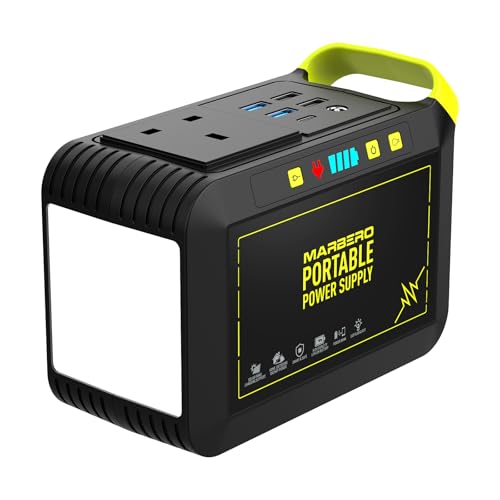
A practical portable power station with 88Wh capacity, best matched to the device wattages and runtime you actually need.
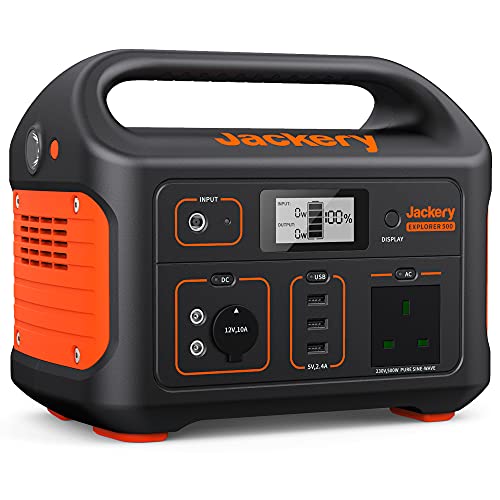
A practical portable power station with 518Wh capacity and solar charging, best matched to the device wattages and runtime you actually need.
Add up the watt-hours of what you want to run over your trip or outage and choose capacity with headroom: under 500Wh for devices, 500-1000Wh for camping and CPAP, and 1000Wh and up for home backup or running a fridge.
Divide the capacity (Wh) by your device's power draw (W), allowing for some loss. For example, a 500Wh station running a 50W device lasts roughly 8-9 hours. Add up everything you want to run to size the station.
No - a larger station is heavier, pricier and often more than you need. Match capacity to your real use, with some headroom, and consider an expandable system only if your needs may grow over time.
Our top pick is the Anker SOLIX C300 (our score 9.6/10) - A practical portable power station with 288Wh capacity and long-life LiFePO4 cells, best matched to the device wattages and runtime you actually need..