
Anker SOLIX C300
A practical portable power station with 288Wh capacity and long-life LiFePO4 cells, best matched to the device wattages and runtime you actually need.
Power station 'lifespan' means two things: how long it runs your devices, and how many years the battery lasts. This guide explains both so you know what to expect.
Runtime depends on capacity versus your device's draw - divide the watt-hours by the watts for a rough figure. Lifespan depends on the battery type and cycles: a LiFePO4 battery typically lasts thousands of charge cycles, often many years of regular use, while standard lithium lasts fewer. So a quality power station can run devices for hours and serve reliably for years before its capacity noticeably fades.
Per-charge runtime is simple maths: capacity (Wh) divided by device draw (W), allowing for some loss. A 1000Wh station runs a 100W device for roughly 8-9 hours in practice. Low-draw devices (phones, lights, CPAP) last a long time; high-draw items (fridges, anything heating) drain it far faster. Add up your devices to estimate a full session.
Battery lifespan is measured in charge cycles (one full charge-and-discharge). LiFePO4 batteries commonly last thousands of cycles, which for typical use can mean many years before capacity drops to a noticeable degree. Standard lithium (NMC) lasts fewer cycles. The battery type is the key factor in how many years a power station will serve you well.
To maximise lifespan, prefer a LiFePO4 unit, store and use it in moderate temperatures, avoid leaving it fully flat for long periods, and follow the maker's charging guidance. Even after thousands of cycles, a good battery usually retains a large share of its capacity, so a quality power station is a long-term buy rather than a disposable gadget.
A practical portable power station with 288Wh capacity and long-life LiFePO4 cells, best matched to the device wattages and runtime you actually need.

A practical portable power station with 1024Wh capacity and long-life LiFePO4 cells, best matched to the device wattages and runtime you actually need.
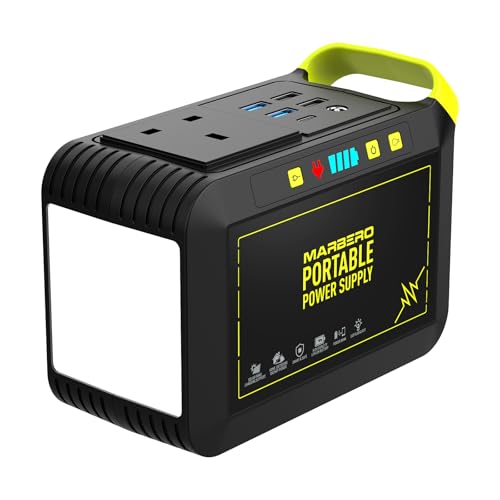
A practical portable power station with 88Wh capacity, best matched to the device wattages and runtime you actually need.
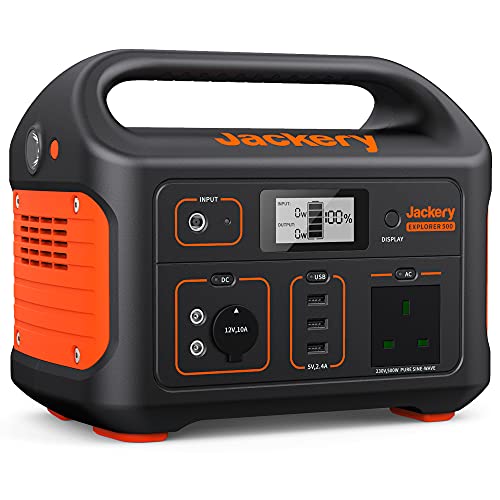
A practical portable power station with 518Wh capacity and solar charging, best matched to the device wattages and runtime you actually need.
Divide the capacity (Wh) by your device's draw (W) for a rough runtime, allowing for some loss. A 1000Wh station runs a 100W device for roughly 8-9 hours. Low-draw devices last a long time; high-draw items drain it fast.
It depends on chemistry and use. A LiFePO4 battery typically lasts thousands of charge cycles, often many years of regular use, while standard lithium lasts fewer. Battery type is the key factor in lifespan.
Prefer a LiFePO4 unit, store and use it in moderate temperatures, avoid leaving it fully flat for long, and follow the maker's charging guidance. Even after thousands of cycles, a good battery keeps much of its capacity.
Our top pick is the Anker SOLIX C300 (our score 9.6/10) - A practical portable power station with 288Wh capacity and long-life LiFePO4 cells, best matched to the device wattages and runtime you actually need..