
Anker SOLIX C300
A practical portable power station with 288Wh capacity and long-life LiFePO4 cells, best matched to the device wattages and runtime you actually need.
Running a fridge or freezer from a power station is one of the most common goals, especially for outages and camping. This guide explains whether a power station can run a fridge and for how long.
Yes - most mid-size and larger power stations can run a fridge or freezer, as long as the output (watts) covers the fridge's running and start-up surge and the capacity (Wh) gives the runtime you need. A fridge cycles on and off, so it uses less over time than its peak rating. A 1000Wh station can typically run a small fridge for many hours; larger or expandable units run one through a longer outage.
A fridge's compressor draws a brief surge of power when it starts, often several times its running wattage. The power station's output and surge rating must handle that spike, or the fridge will not start. Running watts are modest, but the surge is the gate: check the fridge's start-up draw against the station's surge spec, not just its continuous output.
Because a fridge cycles on and off to hold temperature, it uses far less energy over time than if it ran constantly. As a rough guide, a 1000Wh station can run a typical small fridge for many hours, and larger units proportionally longer. Estimate using the fridge's daily watt-hour consumption (often on its label) against the station's capacity, with headroom.
A freezer or a full fridge holds cold better, so the compressor runs less once at temperature - keeping doors shut and the appliance full helps. Energy-efficient and 12V compressor fridges (popular for camping) draw much less than large mains fridges, so they run far longer from the same station. Match the station to your specific fridge's consumption for a realistic figure.
Running a fridge from a power station suits home backup during outages, camping and caravanning, and keeping food or medication cold off-grid. For short outages a mid-size station is plenty; for longer ones, a large or expandable unit, ideally with solar recharging, keeps the fridge going. Energy-efficient or 12V fridges make this much easier.
A practical portable power station with 288Wh capacity and long-life LiFePO4 cells, best matched to the device wattages and runtime you actually need.

A practical portable power station with 1024Wh capacity and long-life LiFePO4 cells, best matched to the device wattages and runtime you actually need.
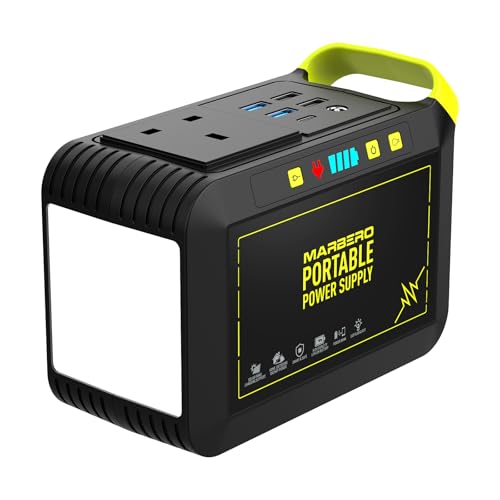
A practical portable power station with 88Wh capacity, best matched to the device wattages and runtime you actually need.
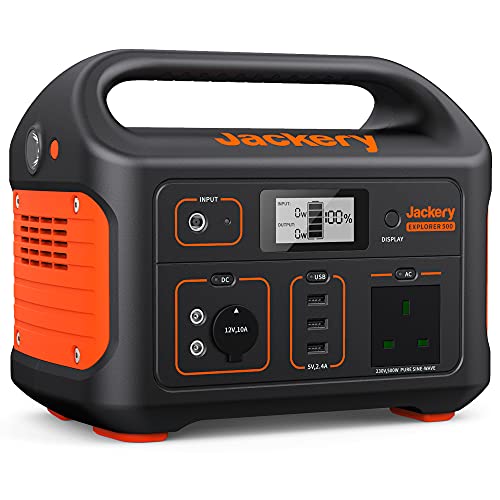
A practical portable power station with 518Wh capacity and solar charging, best matched to the device wattages and runtime you actually need.
Yes - most mid-size and larger power stations can, provided the output and surge cover the fridge's start-up spike and the capacity gives the runtime you need. A fridge cycles on and off, so it uses less over time than its peak rating.
Because a fridge cycles on and off, a 1000Wh station can typically run a small fridge for many hours, and larger units longer. Estimate using the fridge's daily watt-hour consumption against the station's capacity, with headroom.
Enough output and surge to start the compressor, and enough capacity (Wh) for the hours you need. A 1000Wh unit suits a small fridge for many hours; for longer outages, a larger or expandable station, ideally with solar, is better.
Our top pick is the Anker SOLIX C300 (our score 9.6/10) - A practical portable power station with 288Wh capacity and long-life LiFePO4 cells, best matched to the device wattages and runtime you actually need..