
Anker SOLIX C300
A practical portable power station with 288Wh capacity and long-life LiFePO4 cells, best matched to the device wattages and runtime you actually need.
For keeping essentials running through a power cut, a high-capacity power station offers quiet, fume-free backup. This guide covers what to look for in a home-backup unit and which models we rate.
For home backup, choose a high-capacity power station (1000Wh and up) with strong output, pure sine wave power and ideally expandability or solar recharging. The goal is to run essentials - fridge or freezer, lights, router, phones, a CPAP - through an outage, not the whole house. Larger units, or those with add-on batteries, keep essentials going for longer through a power cut.
Home backup is about capacity and the ability to run your essential devices for hours. A larger battery (often 1000-2000Wh or more, or expandable) keeps a fridge or freezer, lights, broadband and devices going through a typical outage. Unlike a petrol generator, a power station is silent, fume-free and safe to use indoors, which is a major advantage during a power cut.
List your essential devices and their watt-hours over the outage, then choose capacity with headroom. A fridge or freezer cycles on and off, so it uses less than its peak rating over time, but you still need enough capacity for the hours involved. For longer or frequent outages, look at expandable systems that add battery capacity as needed.
Home-backup power stations suit anyone in an area prone to power cuts, those reliant on powered medical devices, and people wanting peace of mind without a noisy generator. They double as large units for camping or off-grid work. If you only need device charging or short trips, a smaller, cheaper station is plenty.
A practical portable power station with 288Wh capacity and long-life LiFePO4 cells, best matched to the device wattages and runtime you actually need.

A practical portable power station with 1024Wh capacity and long-life LiFePO4 cells, best matched to the device wattages and runtime you actually need.
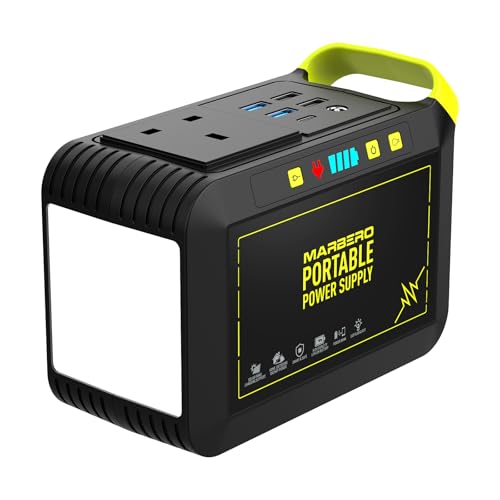
A practical portable power station with 88Wh capacity, best matched to the device wattages and runtime you actually need.
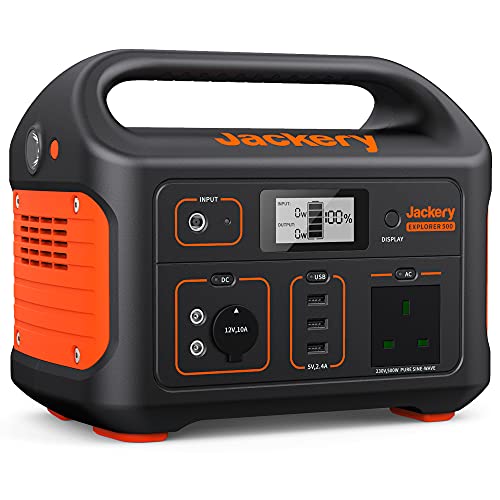
A practical portable power station with 518Wh capacity and solar charging, best matched to the device wattages and runtime you actually need.

A practical portable power station with 1070Wh capacity and long-life LiFePO4 cells, best matched to the device wattages and runtime you actually need.

A practical portable power station with 256Wh capacity and long-life LiFePO4 cells, best matched to the device wattages and runtime you actually need.

A practical portable power station with 299Wh capacity and long-life LiFePO4 cells, best matched to the device wattages and runtime you actually need.
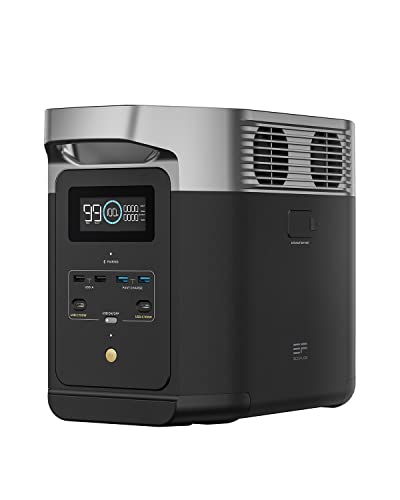
A practical portable power station with long-life LiFePO4 cells, best matched to the device wattages and runtime you actually need.

A practical portable power station with 512Wh capacity and long-life LiFePO4 cells, best matched to the device wattages and runtime you actually need.

A practical portable power station with 2048Wh capacity and long-life LiFePO4 cells, best matched to the device wattages and runtime you actually need.
A high-capacity unit (1000Wh and up, or expandable) with strong output, pure sine wave power and solar or fast recharging. The aim is to run essentials - fridge, lights, router, devices - through an outage, not the whole house.
It can run your essentials - fridge or freezer, lights, broadband, devices and a CPAP - for hours, silently and fume-free indoors, unlike a generator. It is not designed to power the whole house, but it covers what matters in an outage.
Add up your essential devices' watt-hours over the expected outage and choose capacity with headroom, usually 1000Wh and up. For longer or frequent outages, an expandable system that adds extra batteries is worth considering.
Our top pick is the Anker SOLIX C300 (our score 9.6/10) - A practical portable power station with 288Wh capacity and long-life LiFePO4 cells, best matched to the device wattages and runtime you actually need..