
Anker SOLIX C300
A practical portable power station with 288Wh capacity and long-life LiFePO4 cells, best matched to the device wattages and runtime you actually need.
Running a CPAP machine off-grid - camping, in a power cut or away from home - needs the right power station. This guide covers what to look for in a CPAP power station and which models we rate.
For a CPAP, choose a power station with a pure sine wave output, enough watt-hours for one or more nights, and quiet operation. CPAP machines are low-draw but run for hours, so capacity (Wh) matters more than peak output. A 500-1000Wh unit covers most CPAP needs for a night or more, especially if you can run it without the humidifier and heated hose, which use far more power.
A CPAP is a low-wattage device that runs all night, so the key is battery capacity, not high output. The big variable is the humidifier and heated hose: these can multiply the power draw several times over. Running CPAP without heated humidification dramatically extends how many nights a power station lasts, which is the single most important tip for off-grid CPAP use.
Estimate your CPAP's nightly use from its wattage and hours, then add headroom. As a rough guide, without the humidifier a CPAP often uses modest power, so a mid-size station lasts a night or more; with heated humidification the same station may last only a fraction of that. Check your machine's manual for its draw, and test before relying on it.
A CPAP power station suits campers, caravanners, festival-goers, frequent travellers and anyone wanting backup for power cuts who relies on CPAP therapy. It provides genuine peace of mind for sleep apnoea sufferers off-grid. Match the capacity to how many nights you need and whether you must run the humidifier.
A practical portable power station with 288Wh capacity and long-life LiFePO4 cells, best matched to the device wattages and runtime you actually need.

A practical portable power station with 1024Wh capacity and long-life LiFePO4 cells, best matched to the device wattages and runtime you actually need.
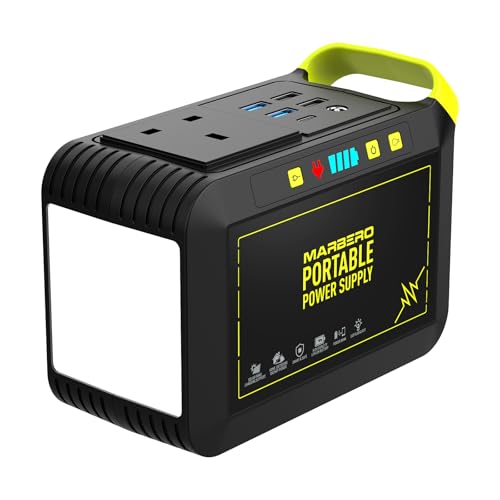
A practical portable power station with 88Wh capacity, best matched to the device wattages and runtime you actually need.
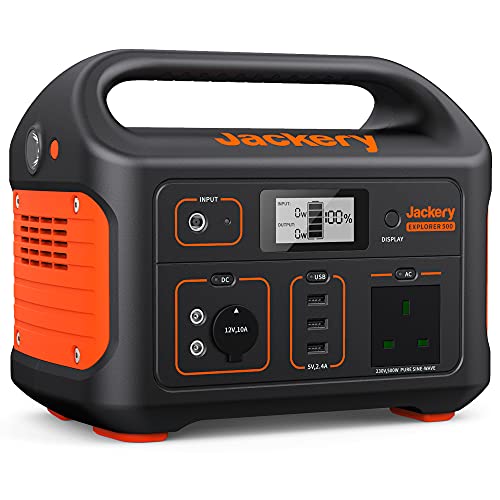
A practical portable power station with 518Wh capacity and solar charging, best matched to the device wattages and runtime you actually need.

A practical portable power station with 1070Wh capacity and long-life LiFePO4 cells, best matched to the device wattages and runtime you actually need.

A practical portable power station with 256Wh capacity and long-life LiFePO4 cells, best matched to the device wattages and runtime you actually need.

A practical portable power station with 299Wh capacity and long-life LiFePO4 cells, best matched to the device wattages and runtime you actually need.
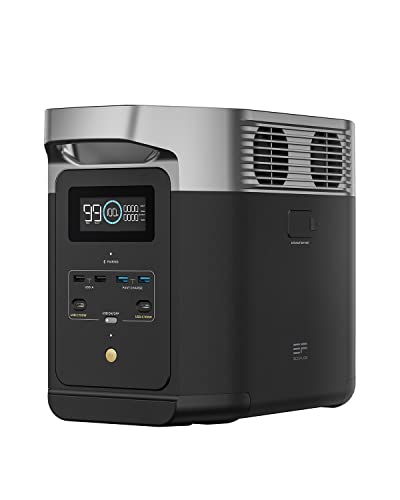
A practical portable power station with long-life LiFePO4 cells, best matched to the device wattages and runtime you actually need.
It depends on your machine's wattage and whether you use the humidifier. Without heated humidification a 500-1000Wh station often lasts a night or more; with it, far less. Check your CPAP's draw and add headroom.
Yes - CPAPs are low-draw but run for hours, so a pure sine wave station with enough watt-hours runs one well. Running without the humidifier and heated hose greatly extends how many nights it lasts.
It is strongly recommended - pure sine wave provides clean power that suits sensitive CPAP electronics, reducing the risk of issues. Most quality power stations have pure sine wave inverters.
Our top pick is the Anker SOLIX C300 (our score 9.6/10) - A practical portable power station with 288Wh capacity and long-life LiFePO4 cells, best matched to the device wattages and runtime you actually need..